HISTORY
The Podrinje region is rich in history and heritage, offering a fascinating journey through time. Visitors can explore Roman-era treasures, from museum collections of ancient objects to the remains of a Roman villa. Medieval fortresses and stećci (unique medieval tombstones) dot the hills, while sites such as the underground city in Zvornik and the Ottoman-era structures in Višgrad reveal the ingenuity of past inhabitants. Together, these historical and archaeological sites provide a window into the region’s long and varied past, making Podrinje a compelling destination for history enthusiasts. 🏛️⛏️🏰
ROMAN ERA
SREBRENICA
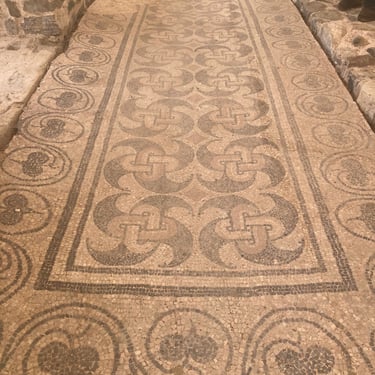
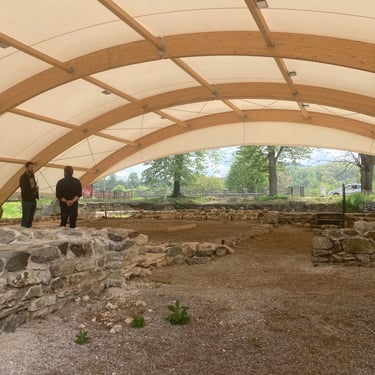
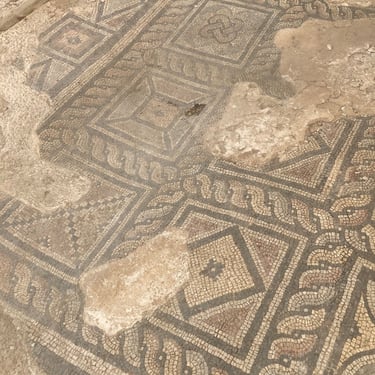
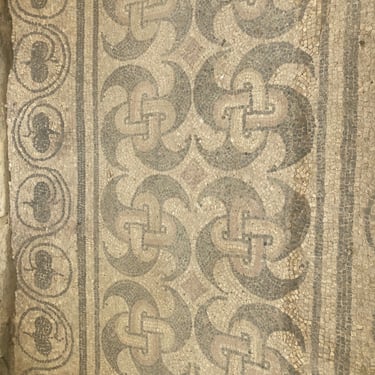
Srebrenica is a hidden gem for history enthusiasts, with roots that stretch back to Roman times. Around the village of Skelani, archaeologists have uncovered the remains of an ancient Roman municipium — known as Malvesiatium — which was an important administrative and economic centre in this part of the empire. Excavations have revealed a large Roman villa with underfloor heating, richly decorated floor mosaics and elements of public buildings, showing that this was once a well‑developed urban site along the Drina valley. Alongside this, the small local museum in Crvica displays Roman‑era objects — including stone monuments, ceramics, metalwork and mosaic fragments — that connect the area’s ancient past with the present and help tell the story of life here over 1,700 years ago. Together, these sites provide a compact but fascinating journey through Srebrenica’s historical heritage, offering glimpses into the region’s significance in Roman times and beyond. 🏛️⛏️
UNDERGROUND CITY
ZVORNIK
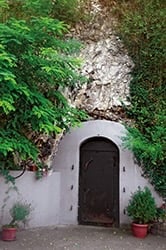
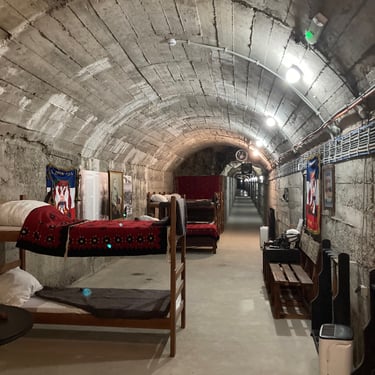
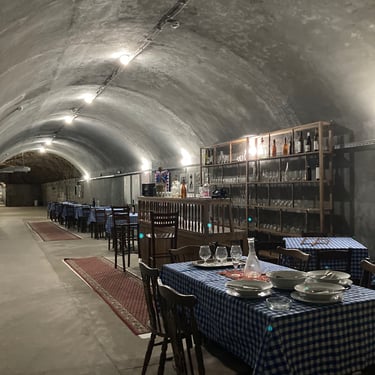
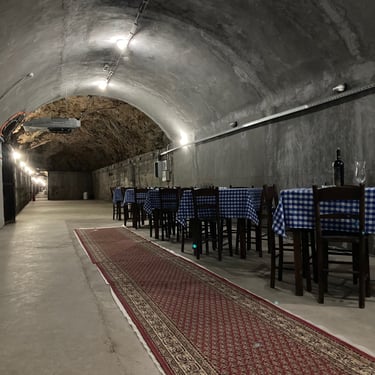
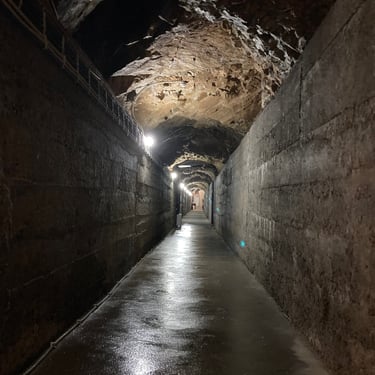
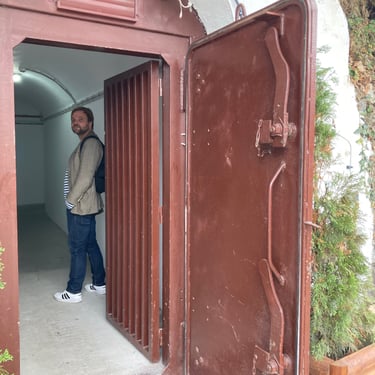
Just across the Drina near Zvornik lies an extraordinary underground city — a unique historical attraction carved into the limestone hill above the river. Built in secret from 1931 to 1934 on the orders of King Aleksandar I Karađorđević, this vast subterranean complex was intended to serve as a hidden wartime shelter and command centre for the royal family and government. The network of tunnels and chambers stretches about 1.5 km and includes around 70–75 rooms, from a restaurant, sleeping quarters, a hospital, to a chapel and even royal apartments, all designed to accommodate thousands of people in times of conflict. Although it was never fully completed, and was used only briefly in April 1941 by the young King Petar II Karađorđević before he went into exile, today visitors can explore parts of this mysterious underground labyrinth, sense its scale and atmosphere, and learn about its role in the region’s turbulent history.
STECCI
BRATUNAC | SREBRENICA
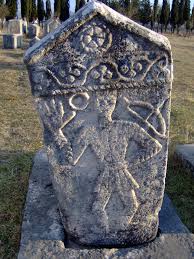
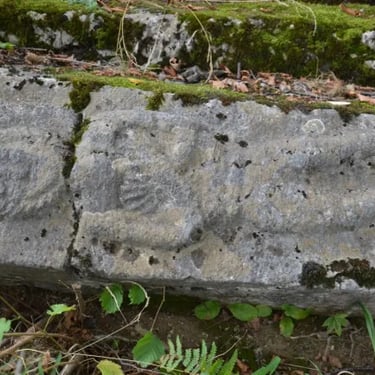
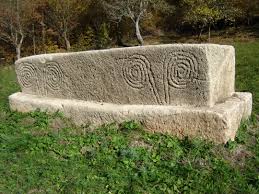
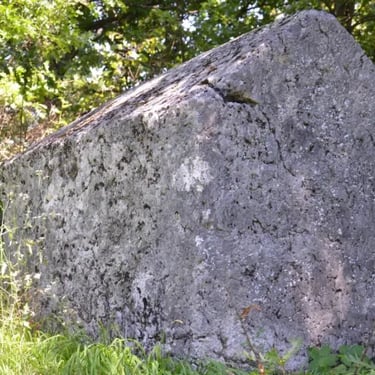
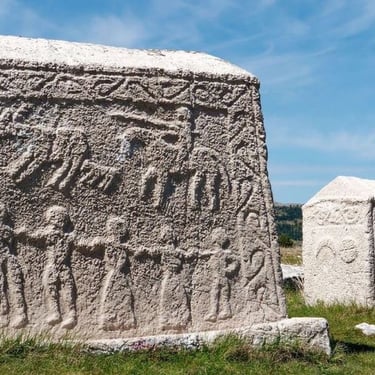
Stećci are medieval tombstones found across Bosnia and Herzegovina, including the Podrinje region. Dating from the 12th to 16th centuries, these monumental stones are often decorated with intricate carvings, inscriptions, and symbolic motifs, reflecting the beliefs, culture, and artistic traditions of the medieval population. They offer a unique glimpse into the spiritual and social life of the time. Many stećci in the region are recognised as UNESCO World Heritage sites for their historical and cultural significance. 🪨
FORTRESSES
ZVORNIK
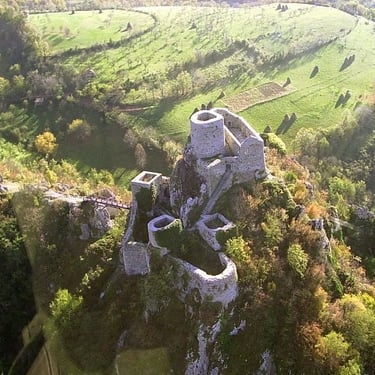
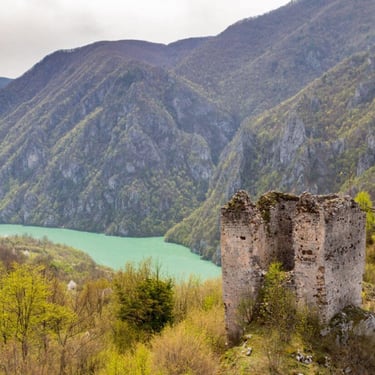
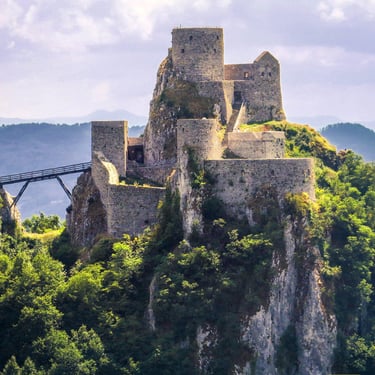
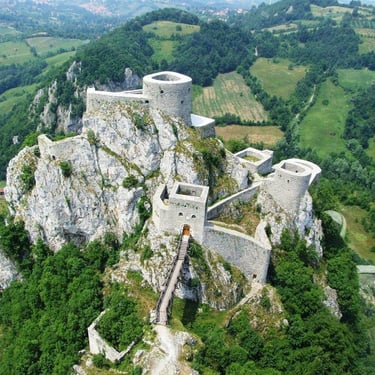
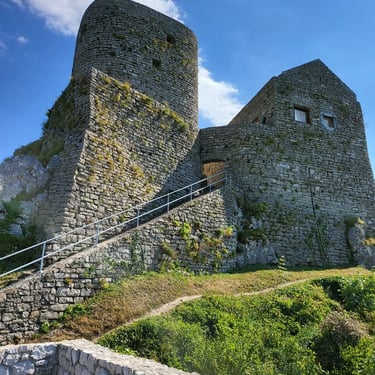
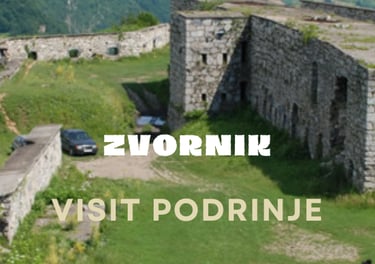
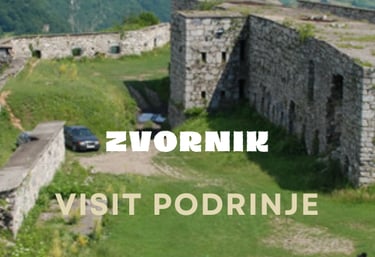
The Podrinje region is dotted with historic fortresses that whisper tales of medieval life and defence. Perched on strategic hills and river bends, these stone strongholds — such as the old fortress above Srebrenica and the remnants of fortifications in Zvornik — once guarded important routes, settlements and borders. Built between the medieval and early Ottoman periods, these ruins offer dramatic views, atmospheric ruins to explore, and a tangible connection to the region’s turbulent past. 🏰🛡️
BRIDGES | LITERATURE
VIŠEGRAD
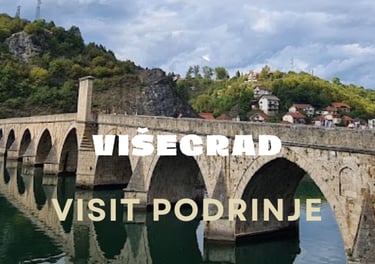
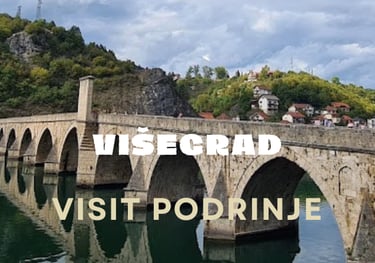
If we are talking bridges and literature then Višegrad is the best place to start! This is where the Mehmed Paša Sokolović Bridge, a 16th‑century Ottoman masterpiece spanning the Drina River and recognised as a UNESCO World Heritage site stands. The bridge is not only an architectural gem but also a symbol of the region’s history and cultural exchange. Višegrad is also closely linked to Ivo Andrić, the Nobel Prize‑winning author, whose novel The Bridge on the Drina immortalises the town, its river, and the lives intertwined with this iconic structure. Visitors can walk along the bridge, explore its surroundings, and connect with the literary and historical heritage that makes Višegrad so unique. 🌉📚
MUSEUMS
BIJELJINA | SREBRENICA |
The Podrinje region offers a variety of museums and cultural spaces that bring its rich history and heritage to life. In Bijeljina, the Museum of Semberija showcases archaeological finds, ethnological collections and local history, with exhibits spanning from ancient times to more recent centuries. Srebrenica features a local museum in Crvica where Roman‑era objects and regional artefacts connect visitors with the area’s past and traditional life. The Museum of Jadar in Loznica (Serbia) tells the story of people in the wider Drina valley from prehistory to the mid‑20th century, with archaeological and historical exhibits. Elsewhere in the wider region you’ll also find community museums, galleries and heritage centres highlighting traditional culture, archaeology and local identities, making Podrinje a rewarding destination for anyone interested in history, art and culture. 🏛️📜✨